Table Of Content
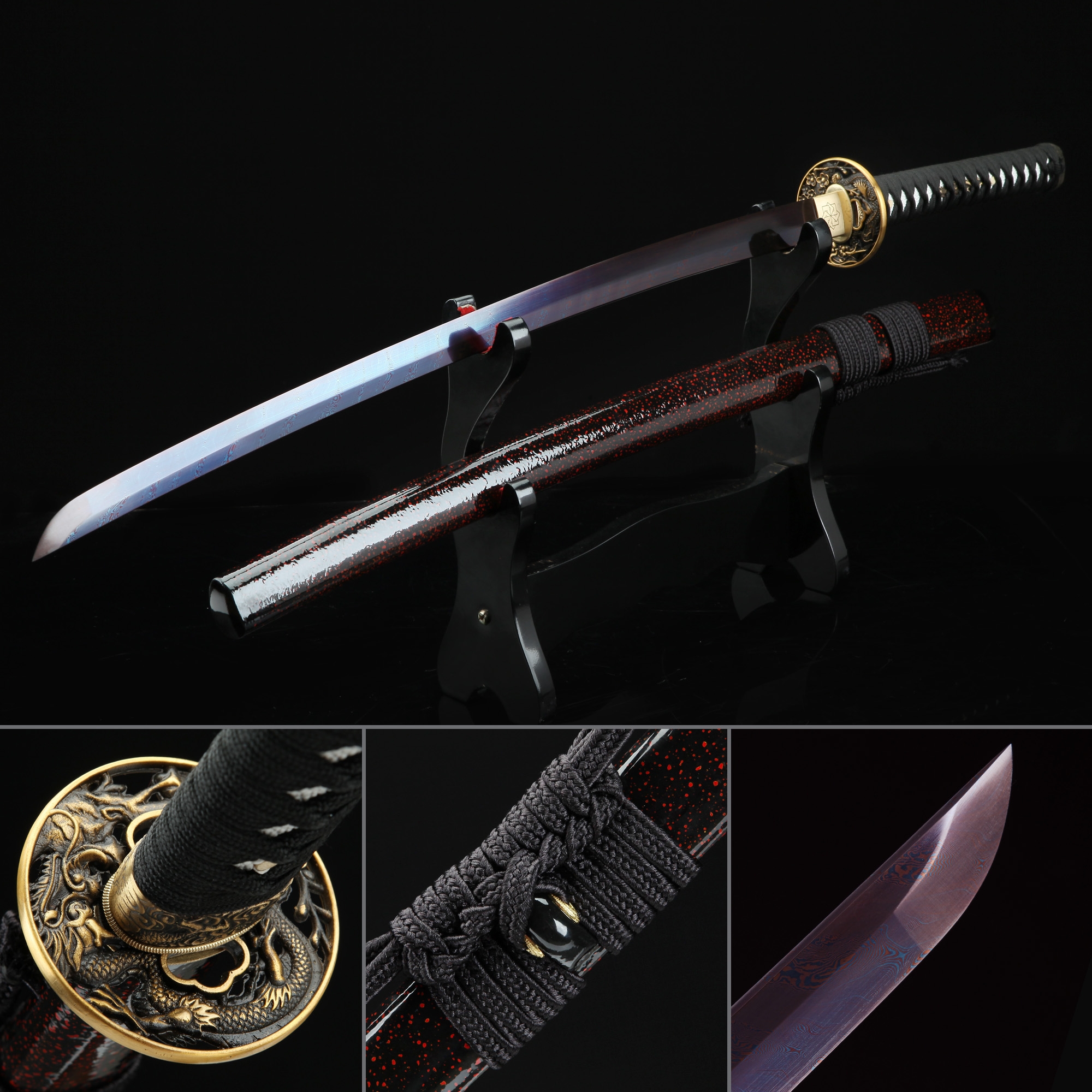
Take your skills to the next level and begin producing work that sells! This class covers traditional decorative ironwork methods and introduces the power hammer. As a beginner blacksmith or bladesmith, we recommend first taking a class from a professional to make your own sword. There are public resources and organizations, such as the American Bladesmith Society, where you can connect to other bladesmiths, teachers, apprenticeships, and more. Once you have the fundamentals and safety essentials down, you may decide to build your own smithy at home. Slowly reheat your quenched sword in a forge to a lower temperature.
The Katana
These pieces, often used in medieval reenactments, serve as a tangible link to our shared martial past. As technology advanced, so too did the materials used for crafting short swords. The introduction of steel, a much harder and more durable material than iron, marked a significant leap forward in sword production. By the Middle Ages, steel had become the standard material for sword making, allowing for the creation of weapons such as the Arming Sword and the Bastard Sword. These were heavy-duty weapons, designed to meet the demands of a new era of warfare.
The Ancient Origins of Swords

Some of the modern stuff is good and some is basically a drug dream. It should have references to particular pieces or historic academic work. Something that measures everything in a collection is probably better than a book on "how to fight with the great sword."
Blade Shapes and Geometry
The shorter shape of Bronze Age swords derived from spearheads and daggers and was therefore a familiar shape for metalworkers to create. Prior to both rudimentary and advanced sword making, early cultures utilized weapons like spears, clubs, and knives. Certain civilizations never adopted the bronze or iron sword as a primary weapon. While numerous sword types existed in different countries and time periods, emphasis is placed on sword types of particular historical or cultural significance. Although the age of the sword was long over, the debate over cut or thrust was not.
Samurai Swords
For cultures in other parts of the world, swords and daggers continue to be important symbols of military and political strength. 19th century swords of the Congo, Ethiopia, and other areas also reflected religious influences on traditional culture. Blade shapes and styles began to symbolize Christianity and Islam as people groups across Northern and Central Africa adopted these faith systems. The next leap forward in the history of swords and sword making occurred when metalworkers transitioned from using bronze to iron.
The Crucible has new blacksmithing classes offered weekly.

Nevertheless, the katana gained a reputation as a sword of unmatched cutting power. Over the centuries, as warfare tactics and technology evolved, so too did the design of the swords. Each change, whether minor or major, was intended to increase the sword's effectiveness in battle. Understanding these design changes can provide insight into the specific challenges and needs of each historical era.
Get the latest articles delivered to your inbox
And by the time the First World War arrived, there were still those who envisioned the conflict ending with a great cavalry charge. Indeed, it was within the cavalry that the last swords were still employed in combat. A typical Zweihänder measured 1.4 meters (4 feet 7 inches), with the largest one known to be used being 213 centimeters (84 inches).
Because of the inherent danger, it is recommended that you take a class and learn from a professional bladesmith. I haven't read Oakshott's books, but I know there is information about them on myarmoury.com in the "features" section. I believe "Records of the Medieval Sword" is the book in which he expounds his typology of medieval swords.
But they required great strength, stamina, and dexterity to wield in combat. Katana blades are chisel-ground asymmetrically, with a cutting bevel that tapers to a martensitic steel edge. This gives them exceptional sharpness and edge retention, allowing precise strikes to kill or disable enemies. The medieval falchion (derived from the Latin falx meaning sickle) is characterized by its distinctive single-edged blade that widens toward the point. As plate armor advanced, knights and men at arms needed more agile swords that could thrust through gaps and slash at unprotected limbs. Today, swords are no longer used by Western militaries as a primary or secondary weapon.
Make sure you transfer the blade from the fire to the quenching as quickly as possible. Bevel the edges of your steel with a hammer to create a cutting edge on either side of the sword. Once you have hammered one side, flip the sword on the anvil and hammer the other side until both are even.
The evolution of plate armor in the 13th to 17th centuries created a need for larger and longer swords. Short and dull swords could not effectively pierce plate armor or stab the joins of the plates. As the rapier is a one-handed weapon, the off-hand is left open to wield any sort of instrument that might help the wielder.



No comments:
Post a Comment